The situation
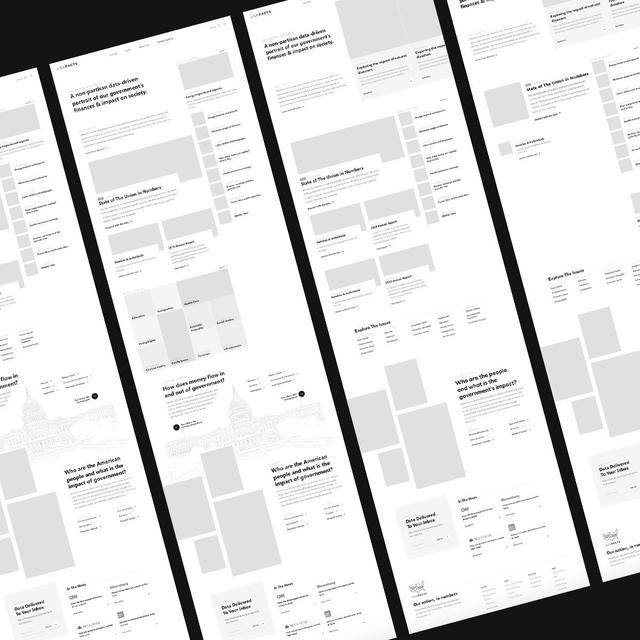
People can’t find things, so search does the job navigation should. Each department owns its corner. Editors copy content because nobody knows where the original lives, and the copies drift apart. A redesign on top of that only makes the confusion look newer.
How we approach it
We start with the people who use the site and the people who maintain it, since both have to be served. We inventory what exists and decide what stays, merges or goes. Then we model the content as structured types (programs, locations, people, events) so it can be written once and reused wherever it’s needed.
Navigation and pathways are designed around what people come to do, and we test them with real users before anything is built. The result becomes the foundation for the CMS.
Why it matters more now
Structured content is also what search assistants and AI tools read well. A well-modelled site answers questions in places far beyond its own pages. A tangled one gets summarized badly, or not at all.