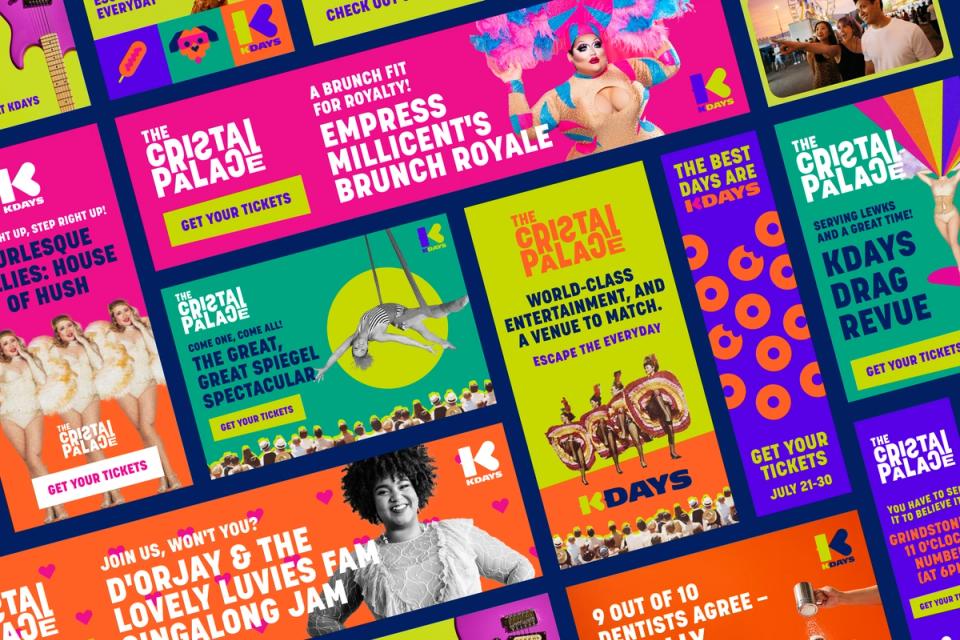
A fast site that handled over a million event-week page views, alongside campaigns that lifted online pre-sales by roughly 75%.
Read the case study: K-Days


Built for opening night, and the rest of the year.
Festival sites, ticketing flows and in-venue experiences built for opening-night traffic.
Festivals, venues and cultural organizations run on a calendar. Most of the year is planning, then everyone shows up at once: tickets go on sale, the schedule drops, the doors open. The site, the app and the screens in the venue all have to hold up in that window, and audiences judge the whole organization by how they did.
And the people running the event are often the same people running the site.
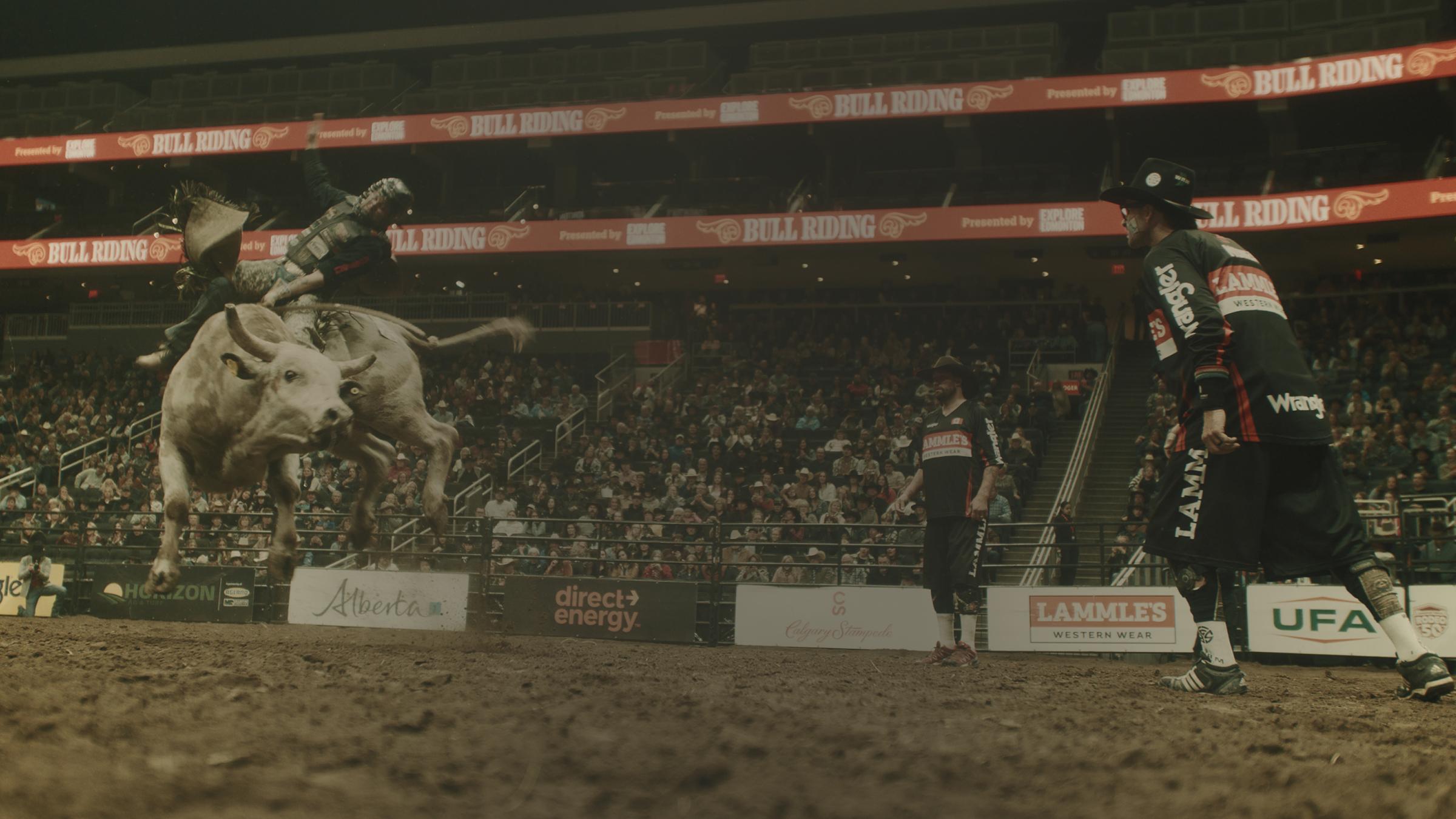
Hosting that scales when traffic jumps, caching for anything that doesn’t change by the minute, and careful handling of outside data so a slow ticketing or schedule feed can’t take the site down with it.
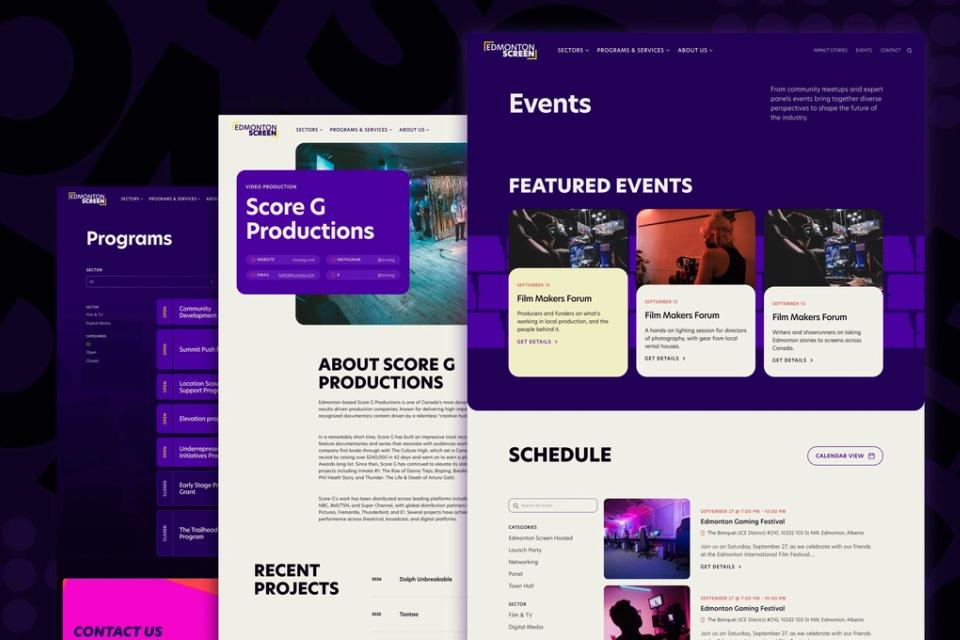
We pull schedules, performers and attractions from the systems where they already live and present them the way people browse: by day, by stage, by interest, so visitors can find what’s on tonight.
We design the route from discovery to purchase as one experience, integrating ticketing as closely as the platform allows and carrying the brand across the handoff.
Graphics, video board content, games and AR for the venue itself, so the moments people remember feel like part of the same event as the site that sold them the ticket.
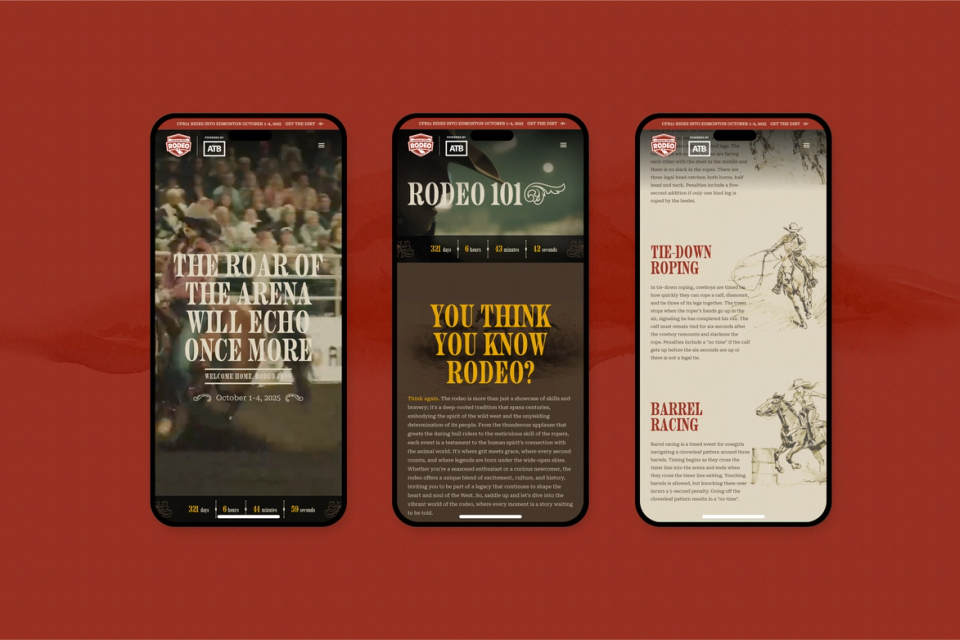
First-timers get a clear introduction to the basics; regulars get a fast path to what’s new. Stories, archives, announcements and small tools keep the site worth visiting between events, so next season’s on-sale starts with people who’ve been paying attention.



Questions festivals and venues ask
Yes. We plan for peak traffic from the first build, and load-test the busiest paths before tickets go on sale.