What this discipline is
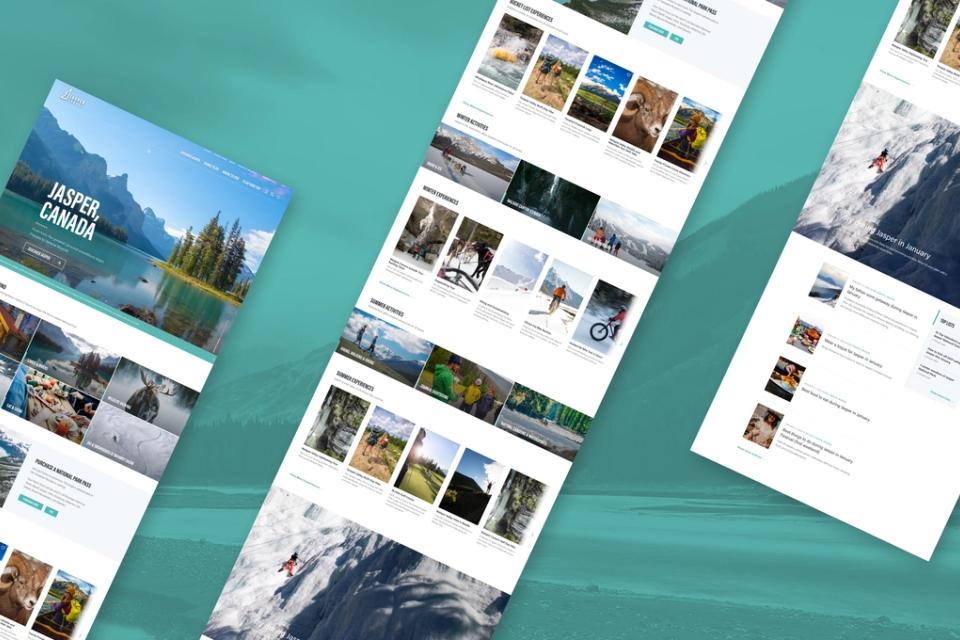
Digital work is often judged by whether someone completed a task: bought the ticket, filled in the form. Some is judged by what people understand and remember. A destination site should make you want to go. A memorial app should leave you understanding what happened on the ground you’re standing on.
Experience concept and narrative is the thinking that kind of work needs at the start. Before design begins, it answers three questions:
- What should the audience take away? One or two things to understand or feel. Rarely a list of facts.
- In what order? The same content, reordered, tells a different story.
- Where will they meet it? A phone at a trailhead, a laptop at home, an arena between events, a panel on site. The setting decides pacing and form.
The answers become the concept: a short statement of what the experience is and how it works. Art direction, writing, 3D, motion and code all carry it.
Why it comes first
Starting with the visible parts is tempting: a look, a feature list, a sitemap. They feel like progress. Without a concept, each discipline optimizes for itself. The designer makes it beautiful, the developer makes it fast, the writer makes it clear, and the result is a well-made thing that doesn’t add up to anything.
A concept gives every decision a test. Does this animation help someone understand, or is it decoration? Is this page part of the story, or there because the old site had it? Map, timeline, scenes or a simple list? The concept answers each one.
That test matters more now that AI does more of the building. AI tools produce whatever they’re pointed at, quickly and literally. Point them at a clear concept and the speed lands where it should. Point them at a vague one and you get competent work heading nowhere in particular.
What goes into a concept
A concept is usually short, but it rests on five things:
- The audience, specifically. The first-timer, the regular who wants what’s new, the teacher planning a class trip. Each needs a different way into the same story.
- The subject, deeply. A place’s history, the science behind a product, an organization’s mission. We read, visit and ask questions until we can explain it simply.
- The emotional register. Reverent, playful, urgent, calm. Get the tone wrong and the facts don’t land.
- The constraints. Budget, timeline, devices, connectivity, accessibility, who’ll maintain it. A good concept can be made and kept running.
- The measure of success. Time spent, return visits, bookings, shares, or whether people can explain what they learned. Rarely just a conversion rate.
Narrative structures we use
Four shapes we return to often:
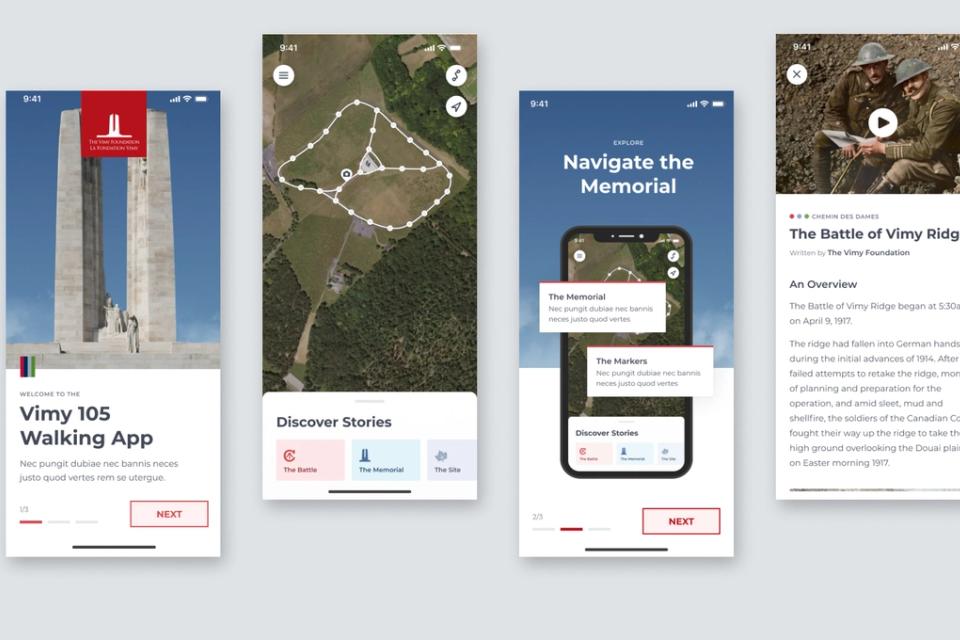
- A walk through place. Content revealed as someone moves through a real or virtual space. For memorials, trails, venues and destinations.
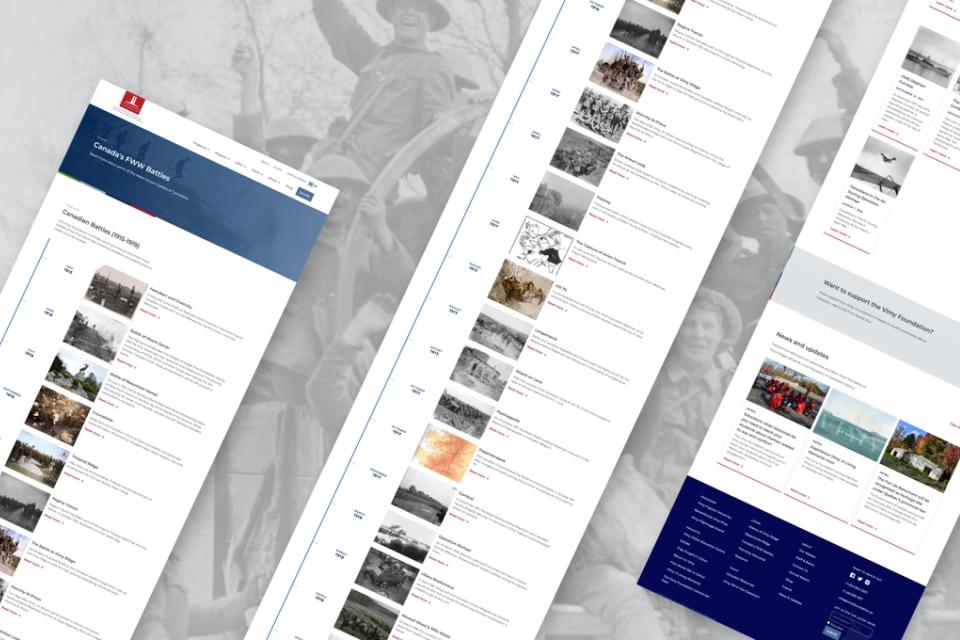
- Layers of depth. A simple first read for everyone, with deeper stories for those who want them. For complex organizations and data-heavy subjects.
- A sequence of scenes. A guided progression with a clear beginning and end. For launches, explainers and campaign landing experiences.
- An explorable system. A layered map, a simulator or a model people play with to see how it responds. For subjects learned better by doing than by reading.
Many experiences combine these. The concept decides which one leads.
A paragraph first, then a prototype
- Listen to the client, to the audience where we can reach them, and to the subject itself.
- Write the concept down early, in plain language, and share it before anything is designed. A paragraph is the cheapest thing to change.
- Prototype the idea: rough screens, a clickable walkthrough, a small 3D test, a paper trail panel. AI-assisted code makes even an early version clickable, and clicking through it settles order and pacing faster than discussing it.
- Refine, then commit to full design and production.
We design for the whole encounter: for a destination, before, during and after the visit; for an event, the site, the venue and the conversation afterward. The concept makes those moments feel like one experience.