Since 2011, and we’ve never stopped.
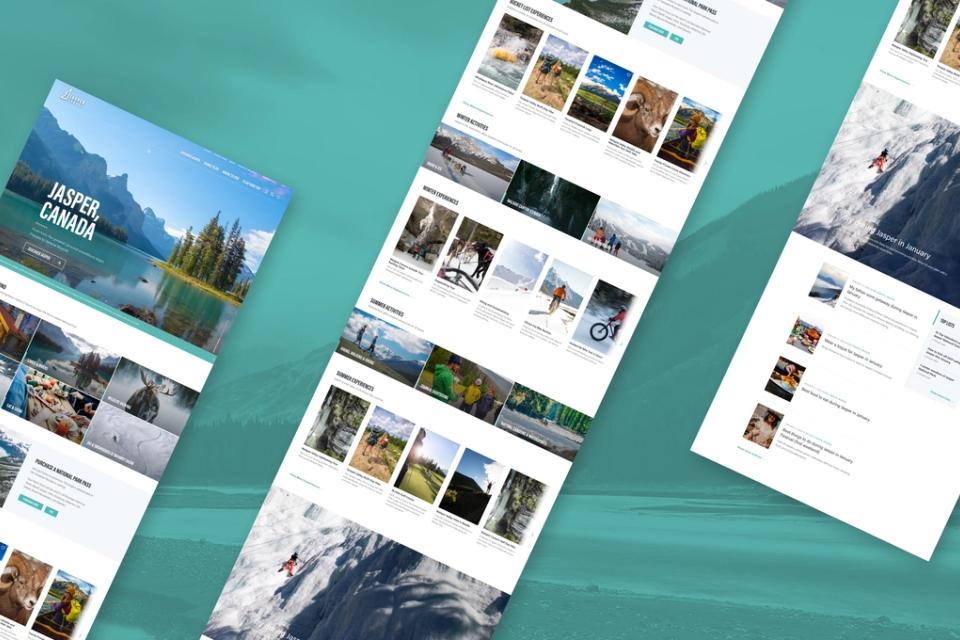
A destination site rebuilt around planning: a trip planner, saved favourites and filtered search.
Read the case study: Tourism Jasper

Selling a place you don’t own.
Trip planners, interactive maps and 3D flyovers that turn a trip someone is dreaming about into a plan.
A destination organization markets somewhere it doesn’t own, on behalf of dozens or hundreds of operators, to visitors comparing it with everywhere else they could go. Its website has to work for someone dreaming about a trip, someone planning one, and someone already there.
Destination teams often do it with a small staff and content that changes every week.
Search and filters across experiences, trip planners, favourites people can save and share, and maps they use to decide where to go. Inspiration still leads, and stories link to something a visitor can do.
We map the audiences a destination serves and give each a clear route: visitors by interest and season, operators to their listings and member resources, media to images and story ideas, meeting planners to venues and capacity. A partner’s listing is entered once and appears wherever it’s relevant.
A CMS set up around what destination teams publish: events, listings, conditions and stories. Where information already lives in an events calendar or booking system, we connect it so nobody re-keys it. A small team can keep the site current in the middle of the season.
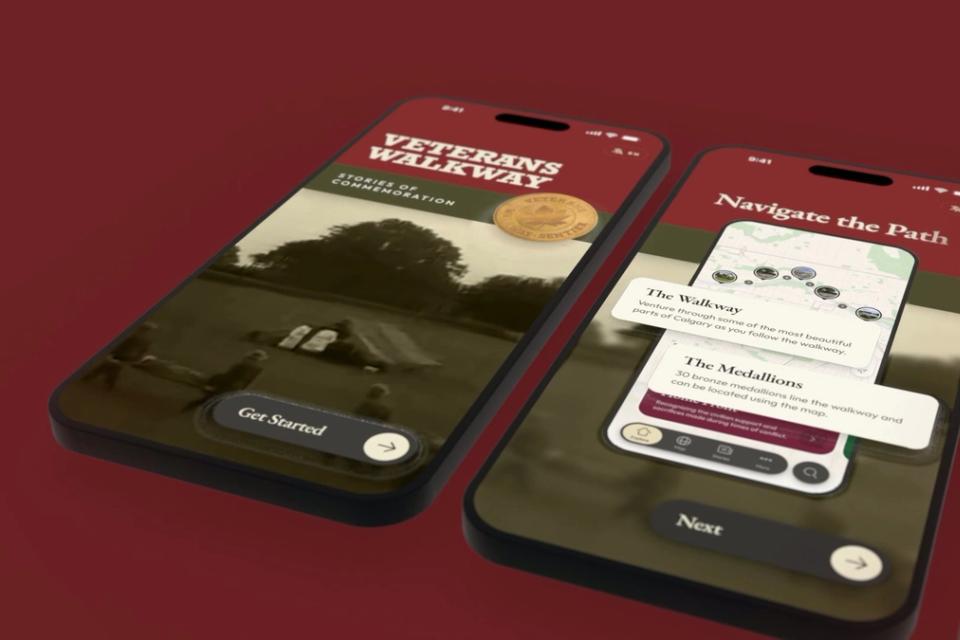
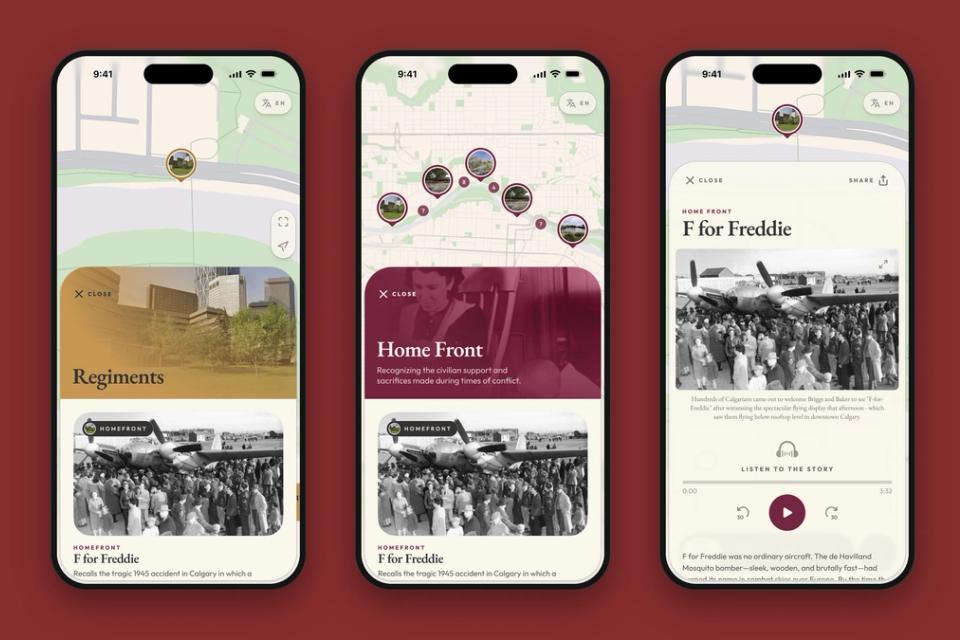
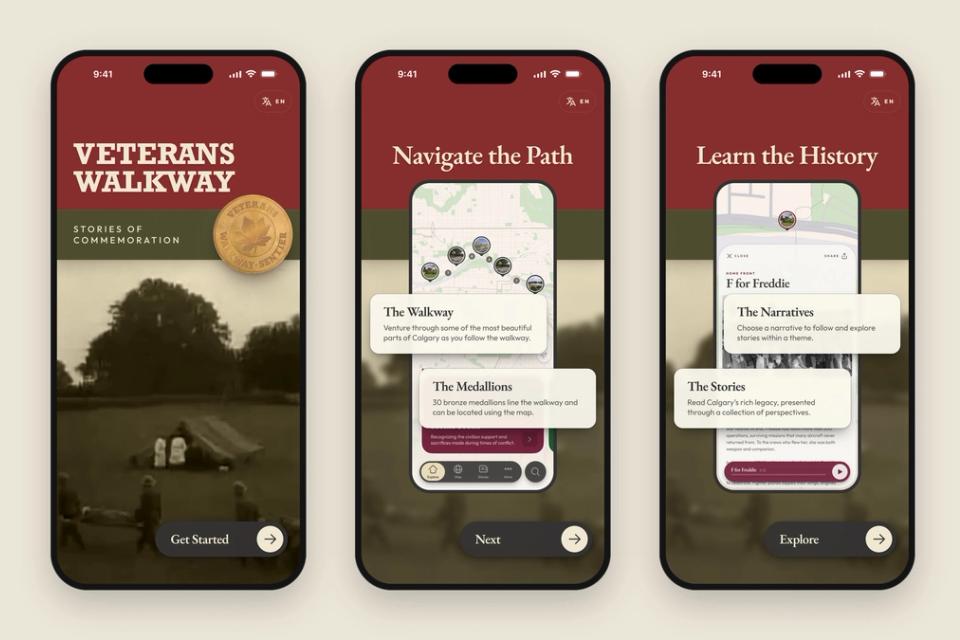
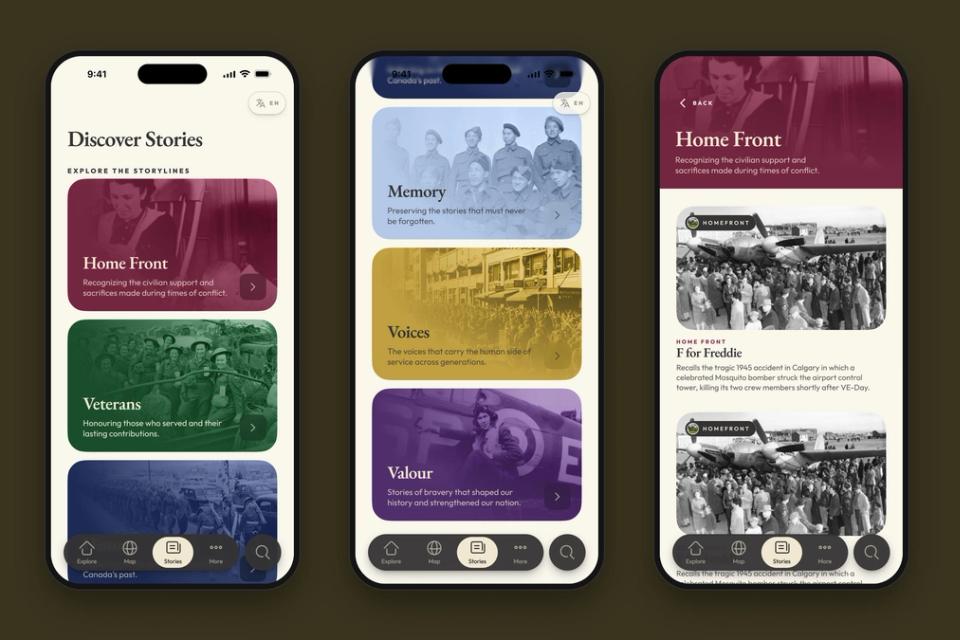
Wayfinding that connects a trail or venue to the history behind it, and 3D where it helps people understand a place, like a flyover of the terrain.
We design campaign creative and the experience it leads to together, so the attention a campaign buys turns into trip planning.
Search engines and AI assistants read well-structured content best, so we build sites they can quote accurately. Where it helps, we add search or chat that answers visitors’ questions from the destination’s own content.
Since 2011, and we’ve never stopped.
Five verbs. Eleven hundred pages.
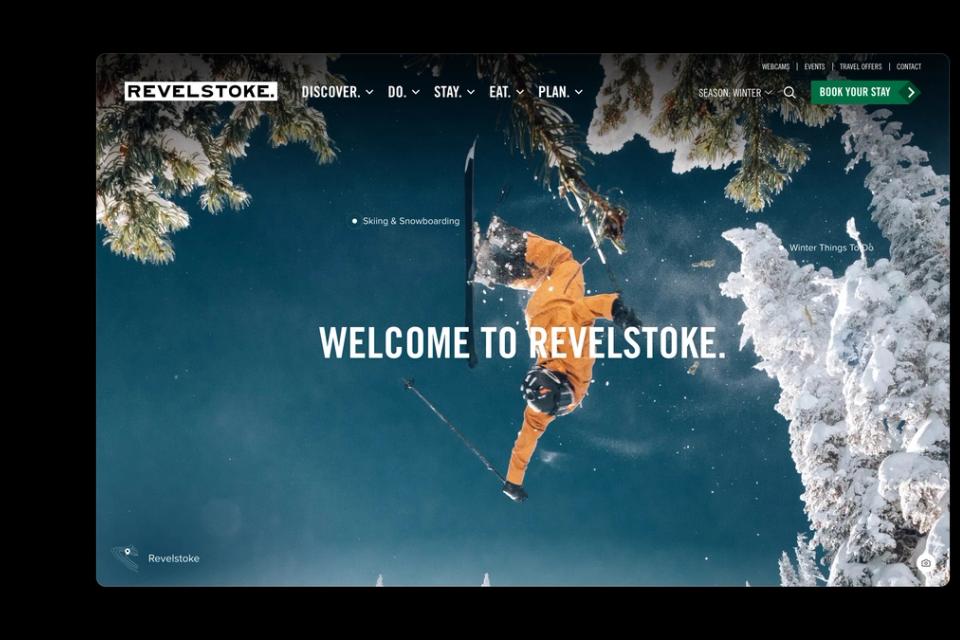
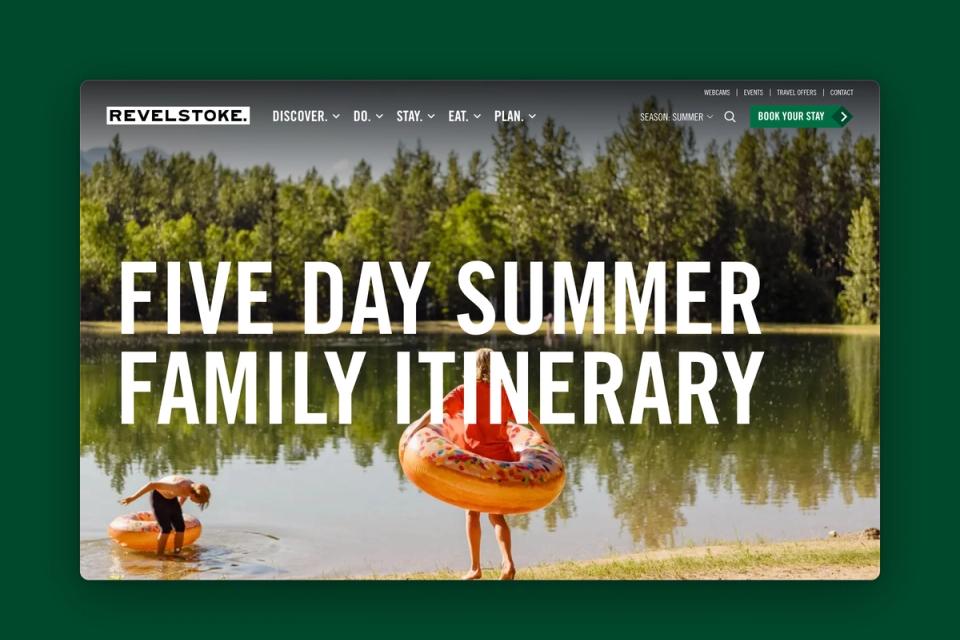
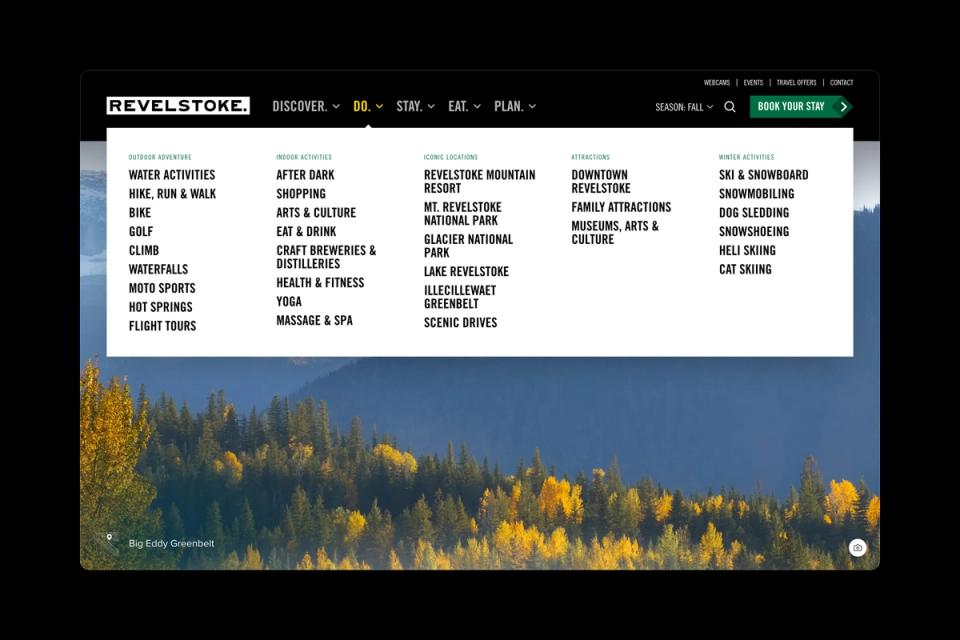
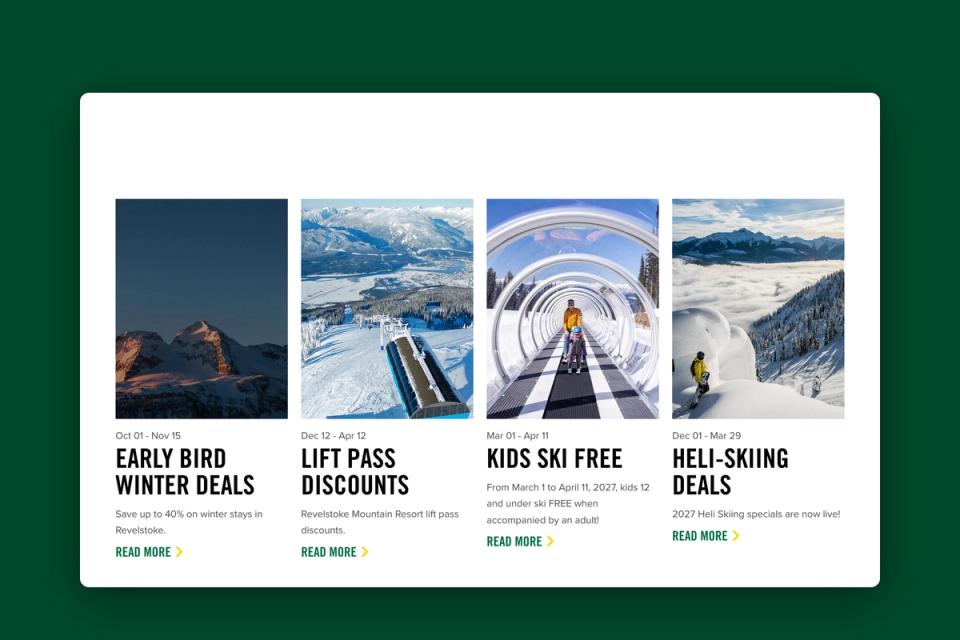
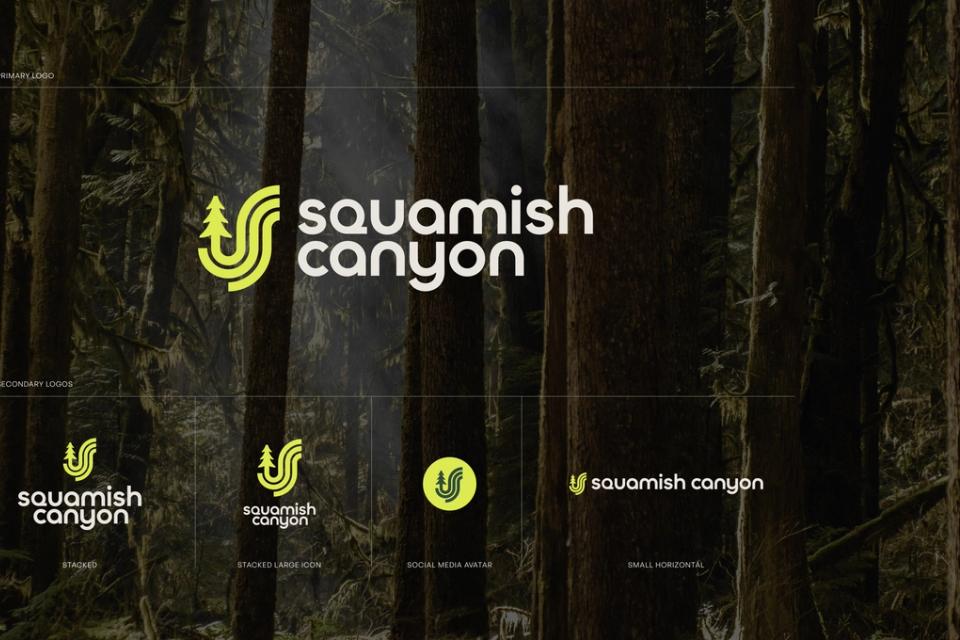
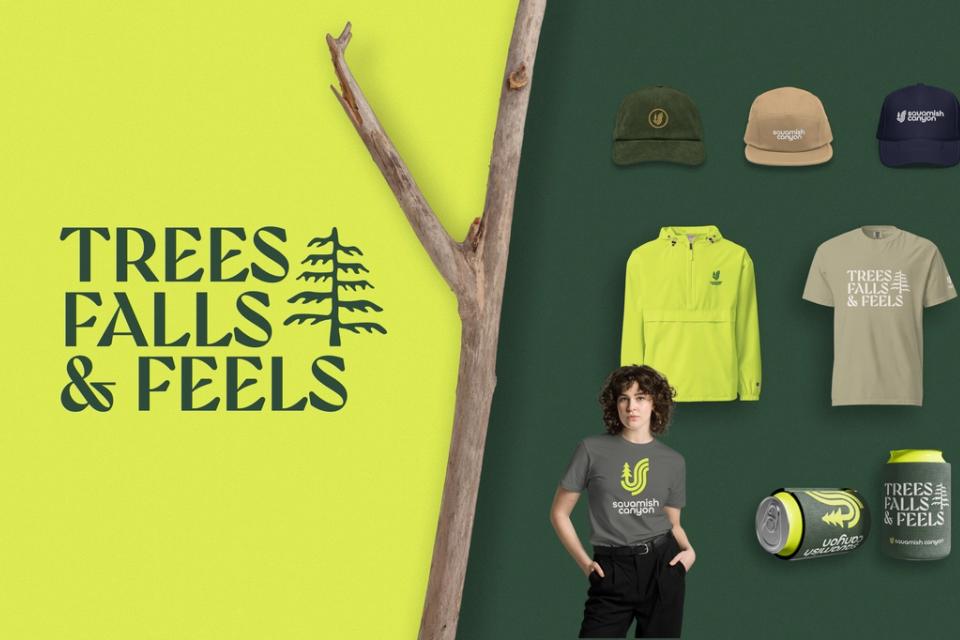
A brand built from the ground up.


Five kilometres, 100 stories.
Questions destinations ask
Both. Much of our tourism work is with destination marketing organizations, and we also build sites, booking experiences and on-site tools for attractions and operators.